
Every chicken keeper has a list of “things I wish I’d known” before getting those first chickens. Continuing our interview series with Gail Damerow, poultry expert and best-selling author, we ask for her top tips for new chicken keepers.
What is your top tip for new chicken keepers?
Before you pick out your first breed and dream of the ideal coop, check local laws and HOA regulations. They may control how many chickens you can have. You may be allowed to have hens, but no roosters. The rules may regulate the style and position of your coop. Or they might not allow you to have any chickens at all.
Good point. What is your next tip?
You can reduce that list of “things I wish I’d known” to an absolute minimum by doing some research before jumping into chickens. Most of the things people claim they wish they’d known are commonly available in books and online resources pertaining to chicken ownership.
Once you decide that chickens are for you, what is your next tip?
Setting up living facilities should come before even acquiring the first chickens. My reason is two-fold. First, establishing your coop and run requires a learning curve, which helps you understand exactly what you’re getting into in terms of cost and expectations.
Second, time gets away from all of us. Before you know it, your chickens have outgrown the brooder. What are you going to with them if your facility isn’t ready yet?

What tips do you have regarding chicken facilities?
Build or buy a coop that’s big enough for your purpose. If you are restricted to a certain number of chickens, your coop should be big enough to accommodate the maximum number.
Chicken math is a real thing — most people who start out with chickens inevitably want more. And make sure the coop design makes it easy to gather eggs, catch chickens as needed, and routinely clean the nests and floor.
The chicken run, or outdoors part, should be as big as you have space for. Chickens remain healthier when they can be outdoors in the fresh air.
And the fence around the run should be sturdy enough to keep out predators and keep the chickens from roaming around the neighborhood. And, by the way, chicken wire isn’t for chickens!
What’s wrong with chicken wire?
Chicken wire is too flimsy for poultry fencing, or even as a window cover when windows are open in summer. Many predators can rip right through it. Small critters can slip through the openings.
Hardware cloth is much more expensive, but it’s much more secure. Field fencing is less expensive, but still better than chicken wire. My absolute favorite chicken fence is chain link. I have two runs fenced in chain link.
Awhile back, you mentioned chicks. Any tips about chicks?
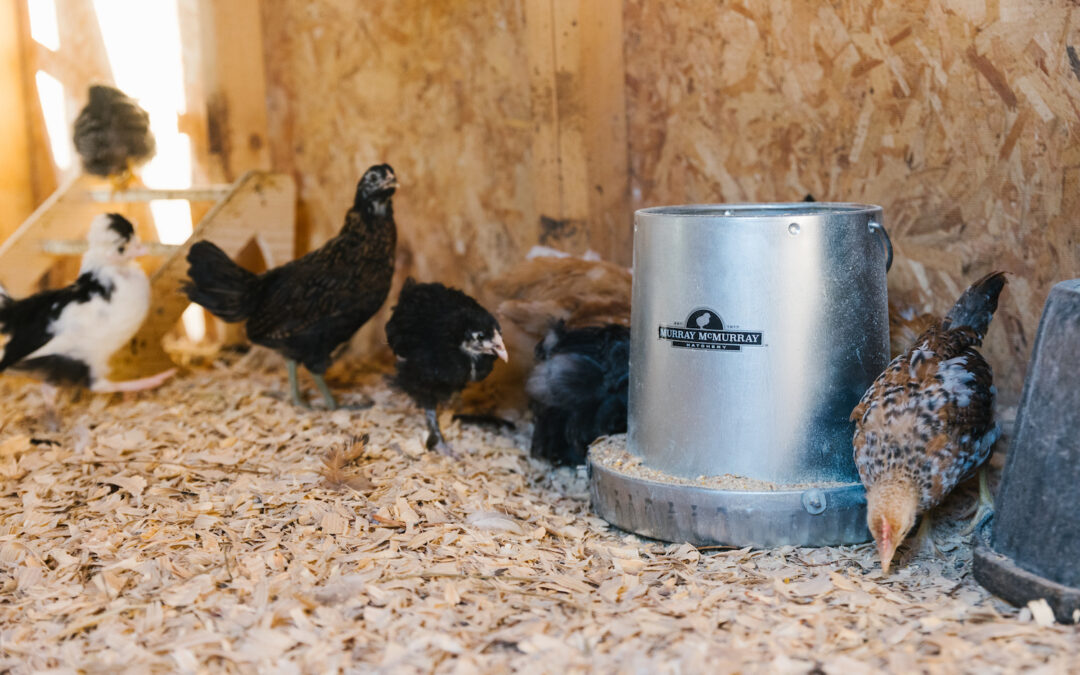
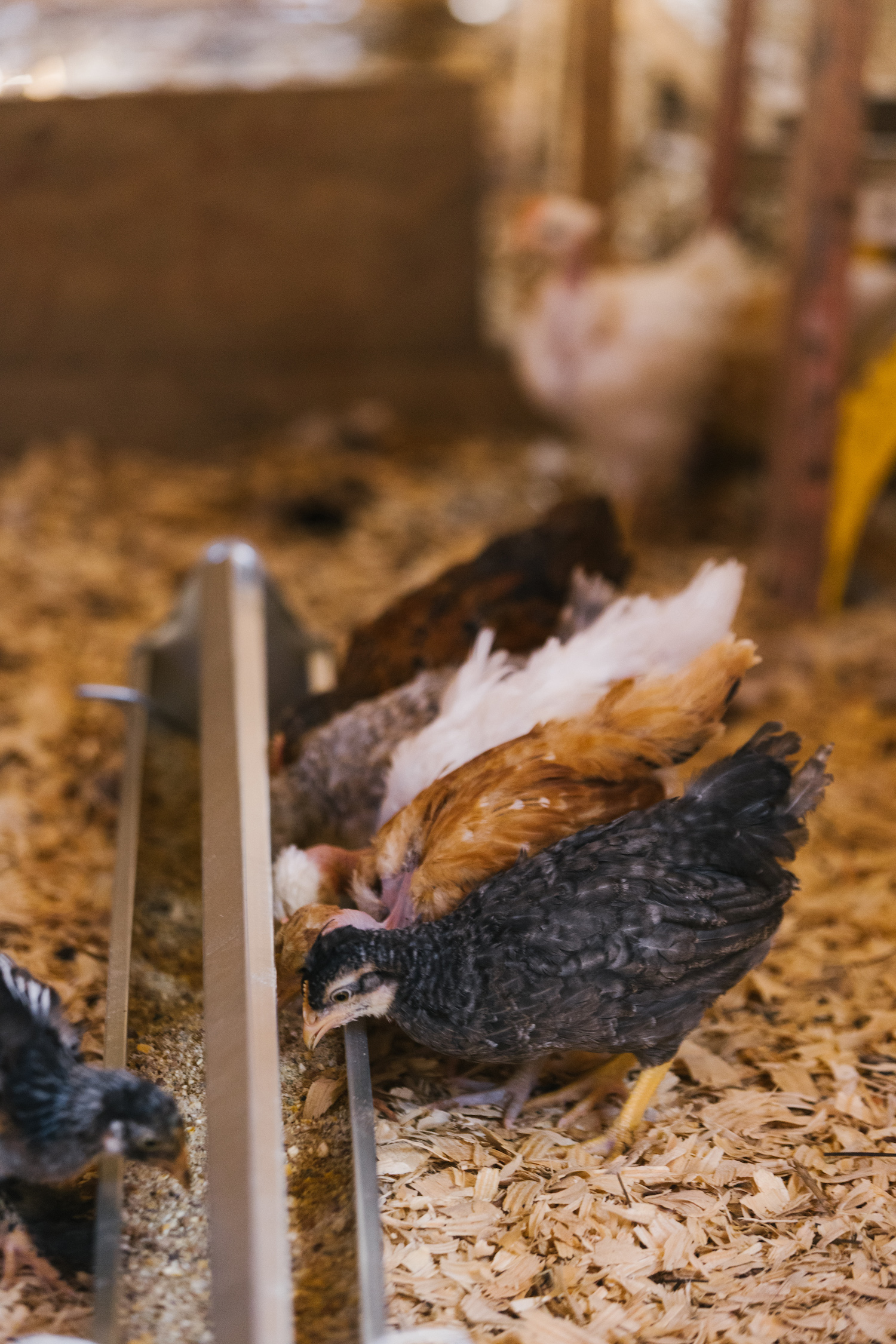
Oh, yes. First of all, baby chicks need heat. A lot of newbies apparently don’t realize how important warmth is, especially for bantams and also for any chicks when they first arrive.
The brooder should be up and running for at least a day before the chicks arrive. And the temperature should be at least 95°F for the first week, reduced about 5°F per week. The chicks will let you know by sound and body language if they are too hot or too cold.
A few other things to know about brooding chicks:
- They should be fed chick starter ration.
- They need clean drinking water at all times.
- Chicks grow really fast and can quickly outgrow their brooder.
- Baby chicks in the brooder make a lot of dust, as I found out the hard way when I brooded my first chicks in our living room.
Do your top tips for new chicken keepers include any breed recommendations?
Not really, except that there’s no such thing as the “best” chicken breed. Every breed has pros and cons. If you’re looking for eggs, some breeds lay better than others. If you want to raise meat birds, you might want to look at a large and/or fast growing breed. Some breeds like hot weather, others do better in a cold climate.
And if you plan to exhibit your chickens, you’ll need to pay more attention to conformation and bloodlines. The best way to find your “ideal” breed is to make a list of the features that are important to you, then research breeds that most closely match your list.
Any final tips for new chicken keepers?
Many beginning chicken keepers are surprised that chickens have a social hierarchy, or pecking order, meaning they will occasionally squabble. And the pecking order can reveal the different personalities of each individual chicken, including which are more assertive and which are more timid.

Gail Damerow has been keeping chickens for nearly 50 years and has written several books about them including Storey’s Guide to Raising Chickens, The Chicken Health Handbook, The Chicken Encyclopedia, Hatching and Brooding Your Own Chicks, and What’s Killing My Chickens. For more about Ms. Damerow, visit her blog at GailDamerow.com.
Gail Damerow’s headshot courtesy of Kathy Shea Mormino.
Images courtesy of Nina Mullins.
Shop These Best-Selling Books by Gail Damerow
Storey’s Guide to Raising Chickens
The Chicken Health Handbook
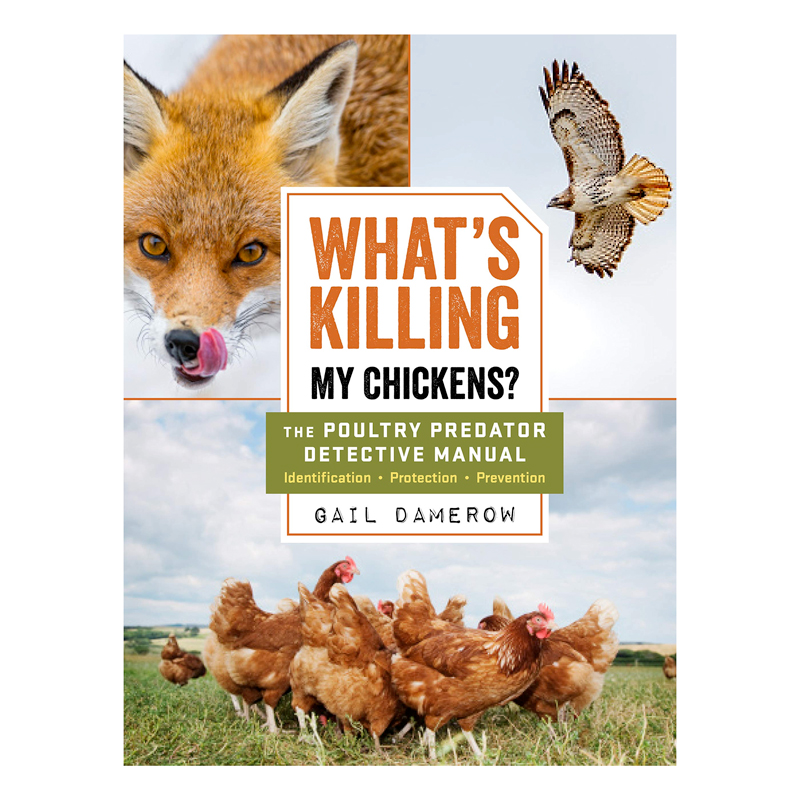
What’s Killing My Chickens