
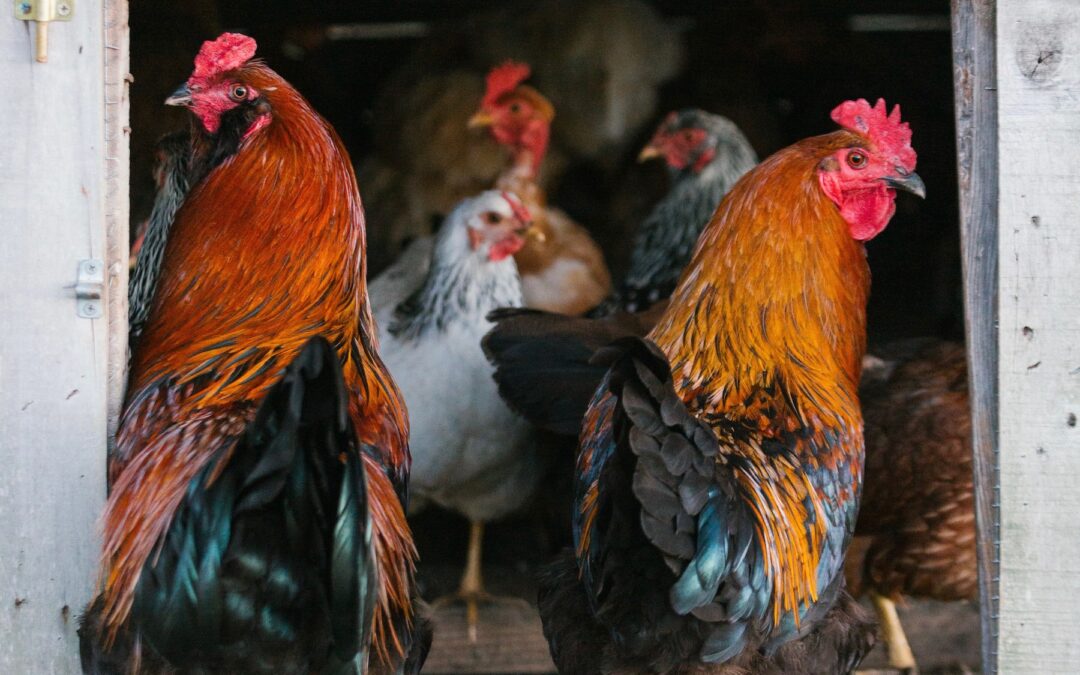
Many beginning flock keepers are surprised and dismayed when they discover that chickens peck each other while establishing their social hierarchy. Continuing our interview series with Gail Damerow, poultry expert and best-selling author, we ask her to explain the pecking order in chickens and how it works.
What is the pecking order in chickens?
The pecking order is the way chickens determine their position in the flock’s social hierarchy. It results in a stable social system and minimizes squabbles by establishing which individuals eat or drink first, which get the best roosting spots, and just about every other aspect of flock behavior.
Is it the same as bullying?
Absolutely not, even though chickens peck each other during both behaviors. Bullying involves one or more chickens aggressively picking on, pecking at, chasing, or outright fighting with other flock members. Bullying causes tension and stress in the flock, and can result in injury to timid or weaker flock members.
The pecking order, on the other hand, rarely results in serious injuries. It simply involves jostling to determine which chickens rank higher or lower in the social order. The very function of the pecking order is to reduce tension and stress among members of the flock.
How do chickens determine the pecking order?
It starts with baby chicks sparring with one another early on. By the time they reach about 6 weeks of age, they have determined their social ranks in relation to one another. If the chicks are all pullets (females), or all cockerels (males), the process is pretty straightforward as to who outranks who.
What happens in a mixed flock of pullets and cockerels?
In a flock that includes both pullets and cockerels, things get a bit more nuanced. The pecking order then ranks individuals on three levels — among all the males, among all the females, and between the males and the females.
Other considerations occur when chickens in a flock have differing ages and differing comb styles. Age usually outranks youth, and single-comb birds often outrank those with other comb styles.
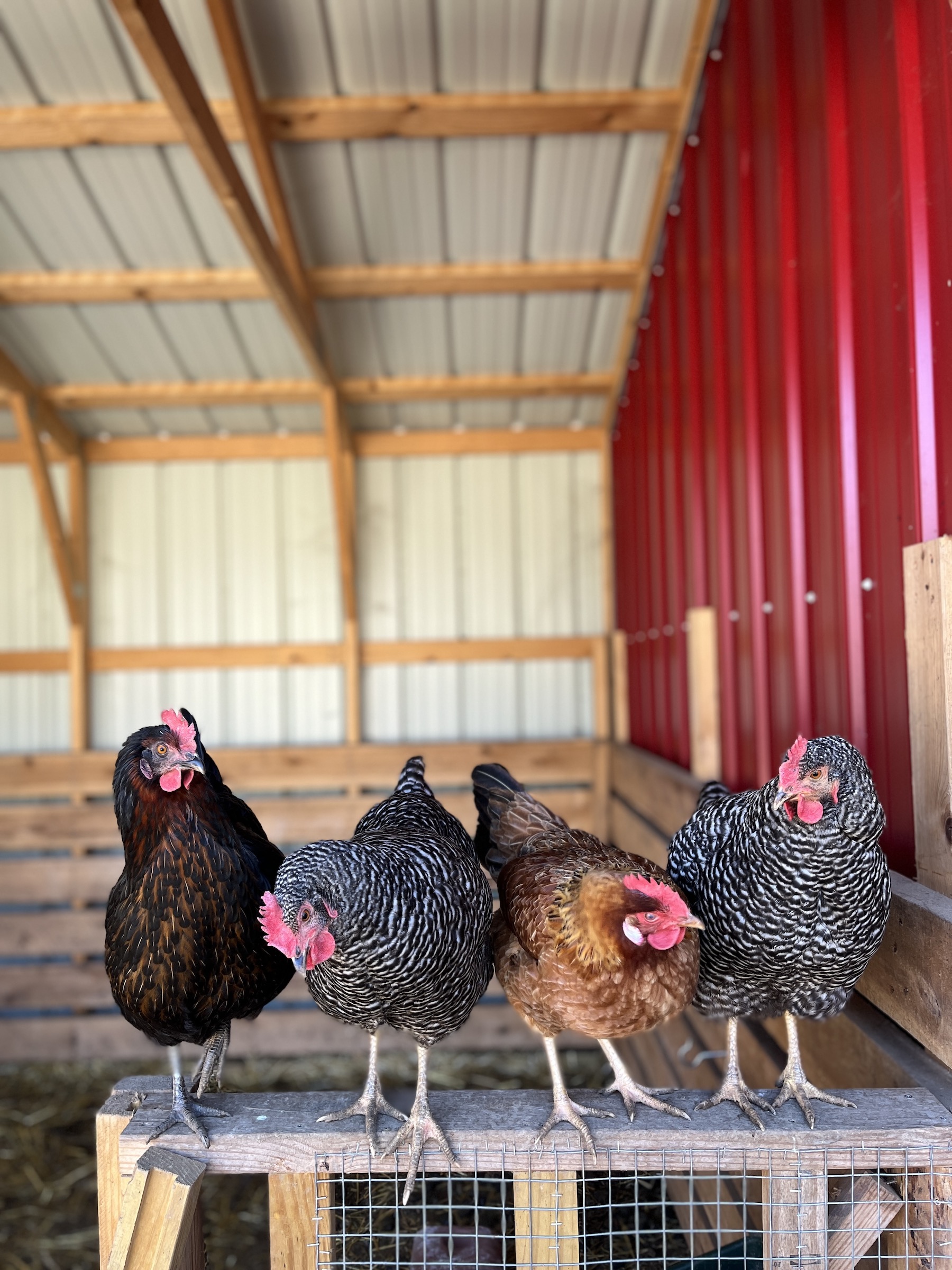
Please elaborate on age in relation to pecking order.
Sure. Most often, a mature rooster will have the highest rank. Then come the mature hens, then young cockerels, and finally young pullets.
But, as the cockerels and pullets mature and become more socially savvy, they’ll work their way up the ladder. And, as the top ranking rooster gets older, maturing roosters will constantly challenge him.
Also, if new chickens are introduced, they must work their way through the flock until they establish their positions in the existing hierarchy. But, partly depending on their age, they won’t necessarily start at the bottom.
So how does the pecking order reduce stress?
Once the chickens establish who outranks who, everyone knows their place and further squabbling is minimized. From then on, a higher ranking bird rarely needs to fight to keep its position. It simply glares at a lower ranking bird to get it to move on. By keeping fighting to a minimum, the pecking order reduces stress among flock members.
One common problem that can upset the social order is having too many roosters in a flock of hens. Then the various roosters will continue vying for top position, which includes mating rights. Sometimes they’ll even fight to the death. So, the fewer mature roosters are included with a flock of hens, the more stable the pecking order will be.
What else can you do to stabilize the pecking order?
Aside from not keeping too many roosters, you can:
- Make sure your chickens have plenty of room, so the more timid ones can find space away from those higher in rank.
- Provide enough feeders, drinkers, and roosting space for the number of chickens in the flock.
- Avoid bringing new chickens into your flock, especially mature chickens.
- If you must introduce new birds, bring in more than one so they can lean on each other for comfort and support
- Initially confine new birds close to the existing flock, where the two groups can get acquainted without fighting.
- Furnish distractions — such as swings, dust baths, and things to peck — which will help keep flock members from getting on each other’s nerves.
Final words of wisdom about the pecking order in chickens?
Assuming all your chickens are healthy, don’t worry about the one at the bottom of the pecking order. Even if you had only two chickens, there’d always be one that’s lower in rank.

Gail Damerow has been keeping chickens for nearly 50 years and has written several books about them including Storey’s Guide to Raising Chickens, The Chicken Health Handbook, The Chicken Encyclopedia, Hatching and Brooding Your Own Chicks, and What’s Killing My Chickens. For more about Ms. Damerow, visit her blog at GailDamerow.com.
Gail Damerow’s headshot courtesy of Kathy Shea Mormino.
All other images courtesy of Nina Mullins.
Shop These Best-Selling Books by Gail Damerow
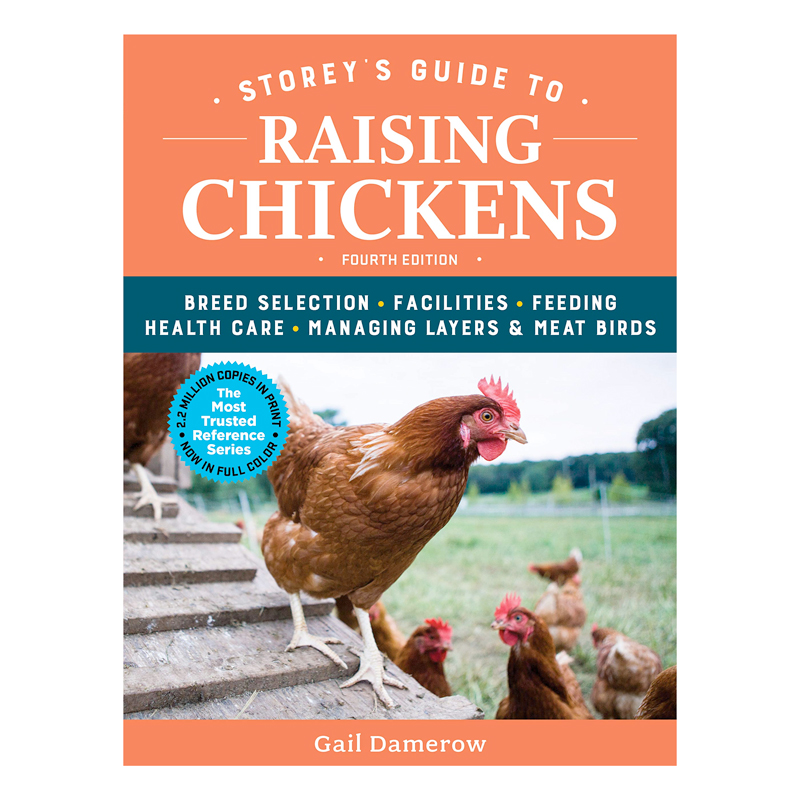
Storey’s Guide to Raising Chickens
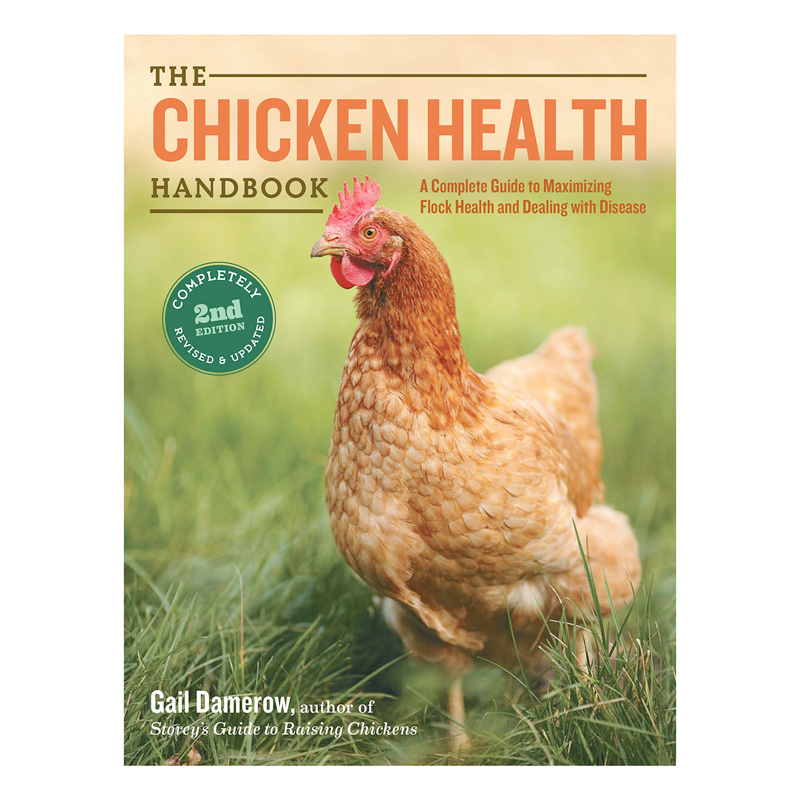
The Chicken Health Handbook
What’s Killing My Chickens