
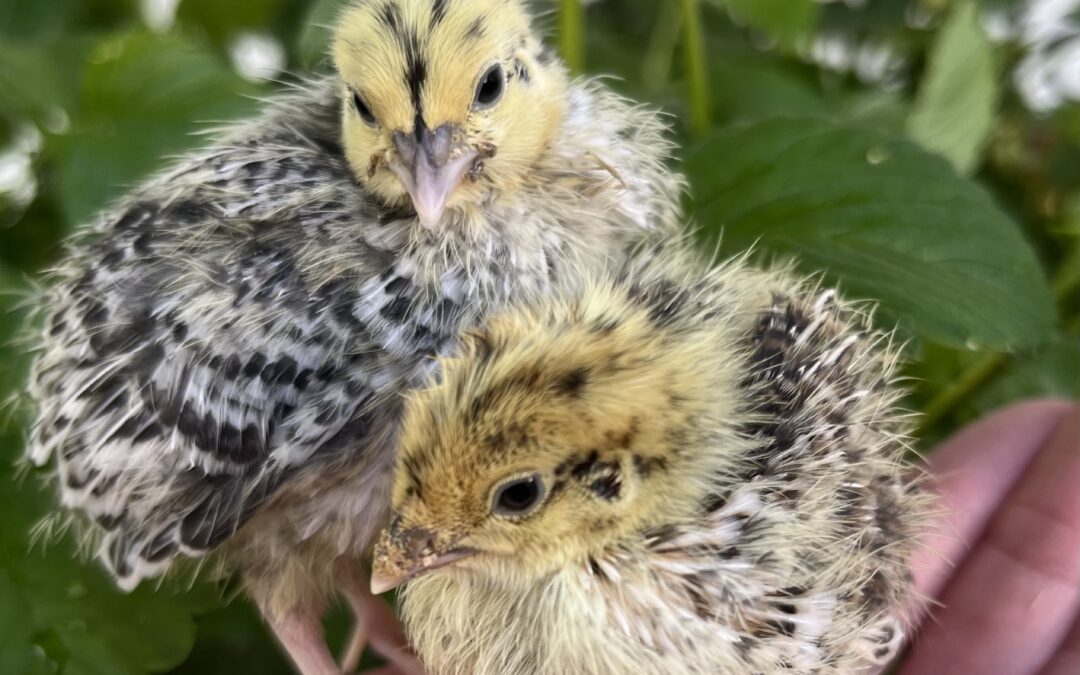
Whether you’re a homesteader or an urban keeper, Coturnix quail are an excellent addition to any farm or backyard. They mature rapidly, providing meat or eggs in just 8 weeks. Additionally, they are extremely quiet and require very little space.
When you order quail from McMurray Hatchery, they’ll arrive around 2.5-3 weeks of age, meaning they’ll be past the fragile chick phase, but will still need a bit of specialty care before they’re ready to go outside. Read on to learn all of our top tips for brooding quail when they arrive!
1. Start with an indoor brooder
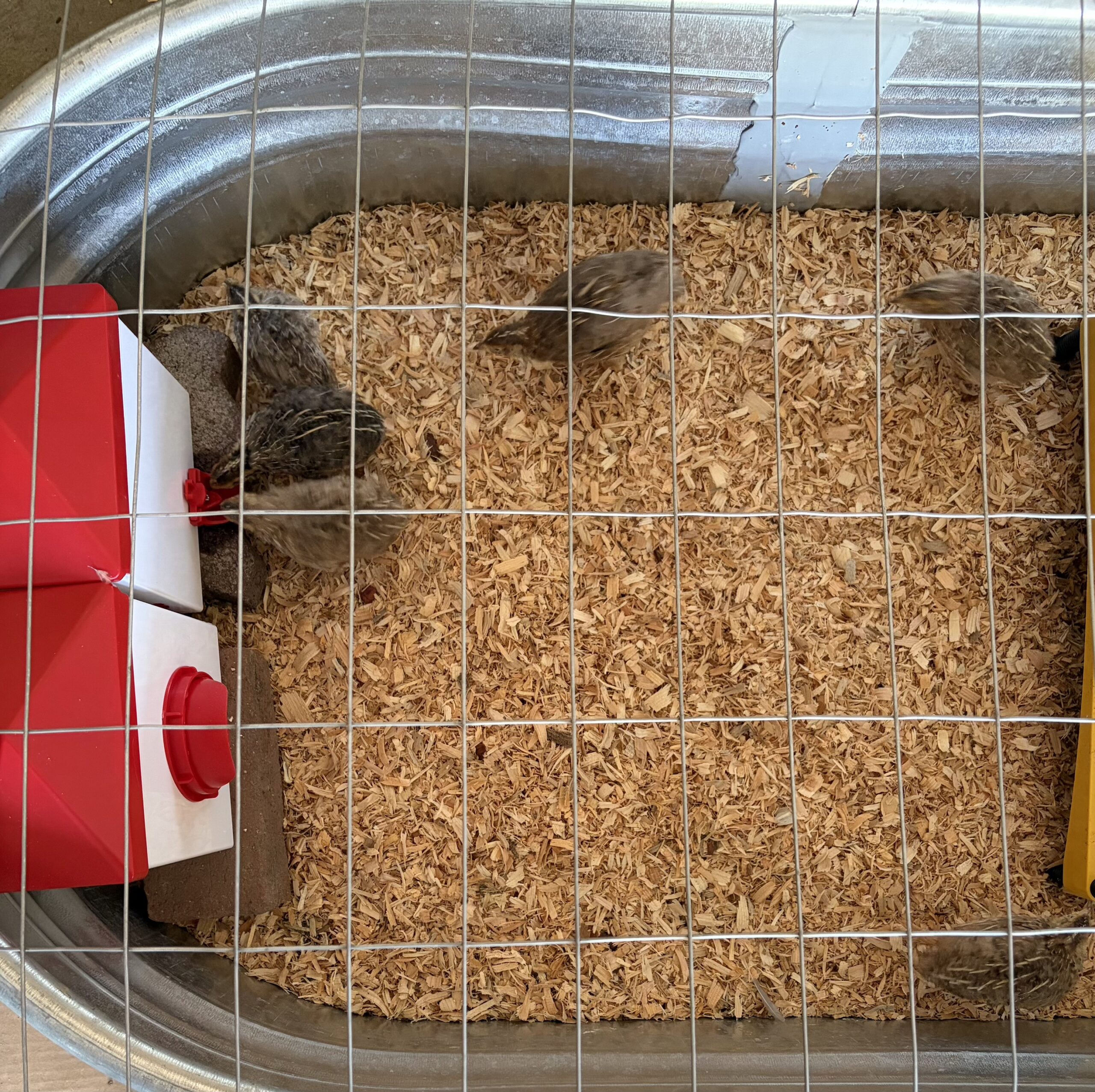
Just as with baby chicks or ducklings, your quail won’t be ready to go to their outside hutch immediately. We recommend giving them at least a few days, if not longer, in an indoor brooder after shipping.
Be sure that your brooder has all of the proper equipment, including:
- Feeder
- Waterer
- Protection over the top of the brooder
- Heat source (Note: for very young quail chicks, you should always use a heat lamp, but your McMurray Hatchery quail chicks will be sturdy enough to use a brooder plate if you so desire.)
When your quail come home from the post office, follow the same procedure as you would for any other baby poultry. Dip their beaks in water and make sure they are hydrating properly, then introduce their feeder and make sure they are using it correctly before giving them some time to decompress after shipping.
2. Transition your quail chicks outside slowly
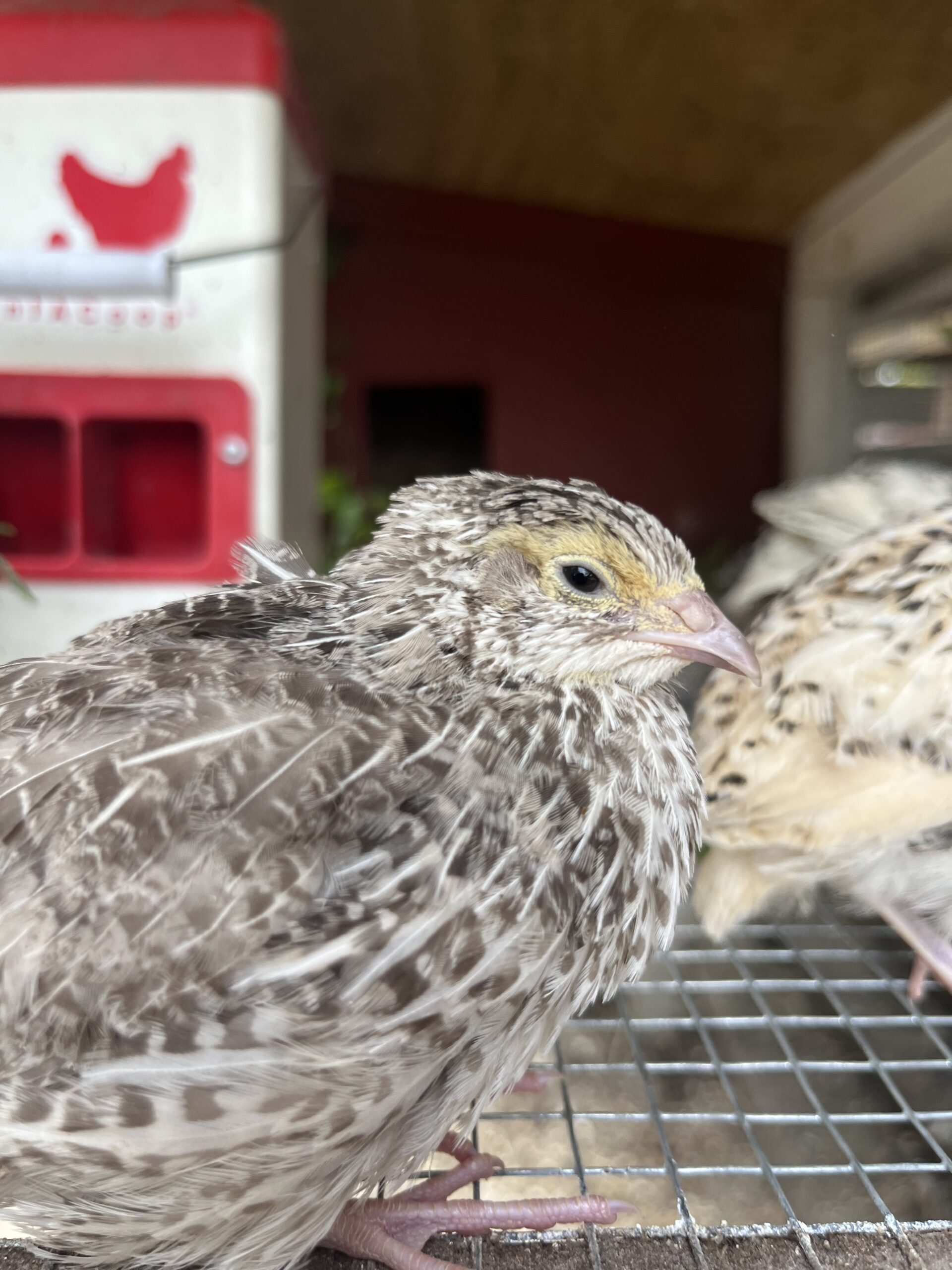
Because quail mature so quickly, they’re generally fully feathered by 5-6 weeks of age and can handle outdoor temperatures around that time. However, if the weather is nice and daytime temperatures are appropriate, you can let your quail spend time in their outdoor hutch before they’re fully feathered if you want to. Alternatively, if you order your quail chicks during a very warm season, they can usually transition outside a bit faster.
Here is a good rule of thumb to follow for their required temperatures:
- 2 weeks: 90F
- 3 weeks: 85F
- 4 weeks: 80F
- 5-6 weeks: Room temperature or unheated if fully feathered and weather is above 65F
If your temperatures are particularly chilly, give your quail some extra time before transitioning them outside. If this is the case, we recommend letting them spend time in your outdoor hutch during the day and bringing them back inside to the brooder with no supplemental heat to help the transition from brooder to hutch go more smoothly.
3. Use proper equipment
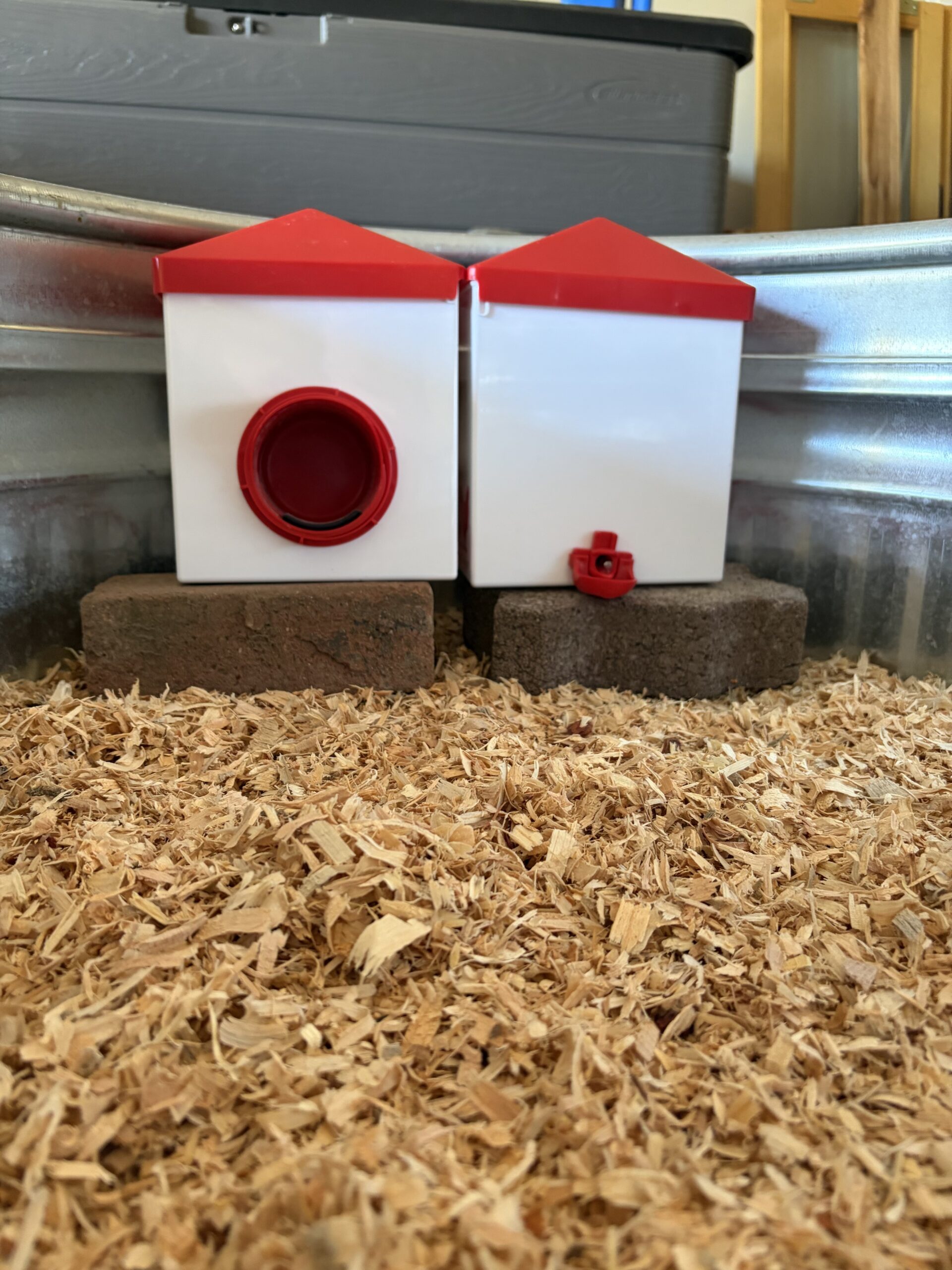
Quail are very messy creatures and require specific feeders and waterers to limit food waste, keep water fresh, and help maintain a clean brooder. Here are the feeders and waterers we recommend:
Feeders:
- Flip top trough feeders can be used for the first few days if you prefer to make their feed source as easy to access as possible. The flip top feature is helpful, as it prevents them from hopping in and digging through their feed.
- Jar feeders with bottom ports also work very well, especially if you elevate them.
- Port feeders are the most effective for minimizing feed waste. To introduce your quail to a port feeder, simply scoop a bit of grain onto the bottom lip of the feeder so that they see it and become interested in the port.
Waterers:
- Elevated chick founts with extendable legs work well for quail, but you’ll have to scoop shavings out of the water regularly while they are in the brooder.
- Nipple waterers are the best option for keeping water clean, both in the brooder and once your quail move to their outdoor hutch.
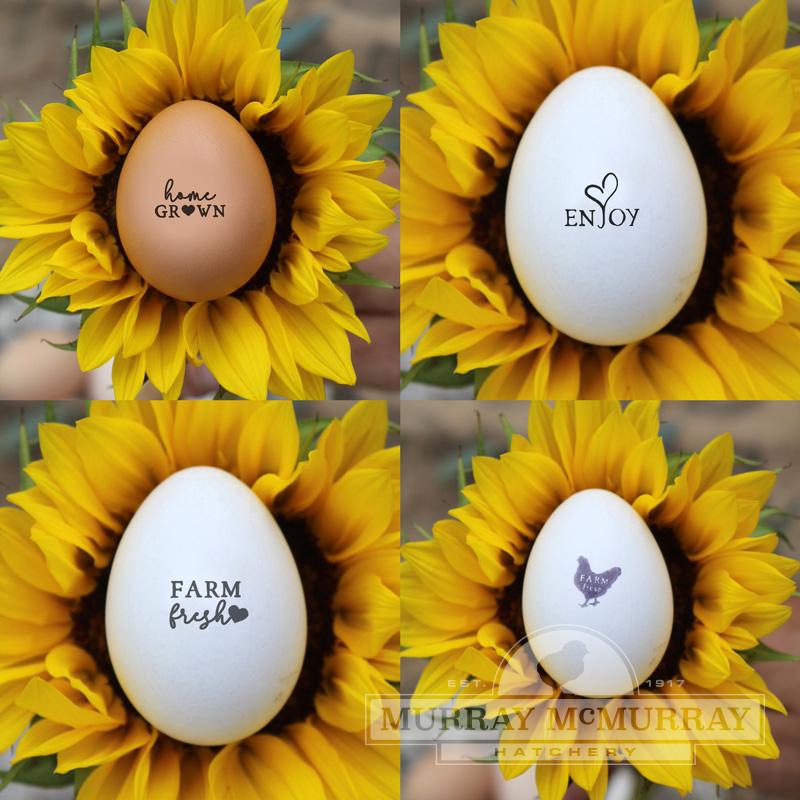
Selling your eggs? We’ve got you covered!
Whether you have been selling eggs to loyal customers for years or you are just getting started with setting up your egg stand, we have all of the supplies you need to keep your customers coming back for more. From our recycled plastic egg cartons to our egg stamps and customized carton stamps, let us help you up your marketing game and wow your customers every time they pick up a carton of eggs.
Don’t forget that McMurray customers get a free egg vendor listing on our Marketplace! Sign up today if you are hoping to connect with your local community by selling your beautiful eggs.